


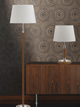


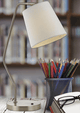


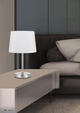


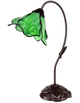







A well-chosen lamp does two jobs at once: it casts soft, liveable light exactly where you need it, and it finishes a room the way a good cushion or artwork does. Whether you're after a pair of matching bedside lamps, a sculptural piece for the console, or a practical touch lamp for late-night reading, the right choice comes down to a handful of decisions. This guide walks you through all of them, in plain terms, so you can shop with confidence.
Start with the job: how you'll actually use the lamp
Before you fall for a finish or a shade, decide what the lamp is for. The use dictates the size, the brightness and the switching.
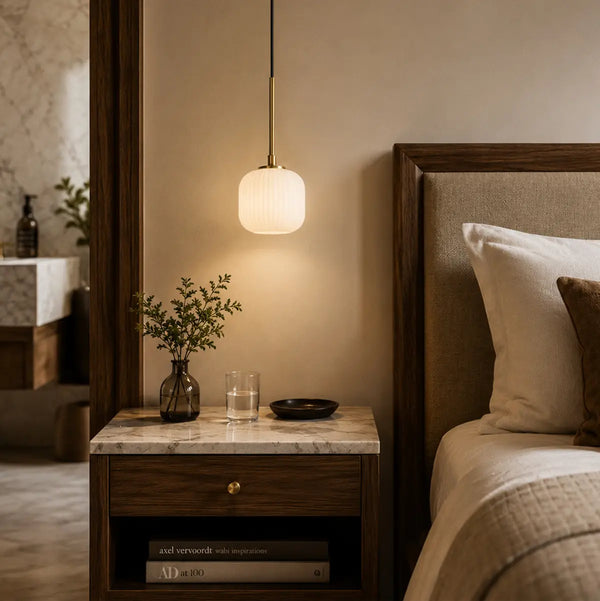
- Bedside lamps. These need a soft, warm glow for winding down and just enough light to read by. A touch or easy-reach switch is worth its weight in gold when you're half asleep. On a bedside table, compact and stable beats tall and top-heavy.
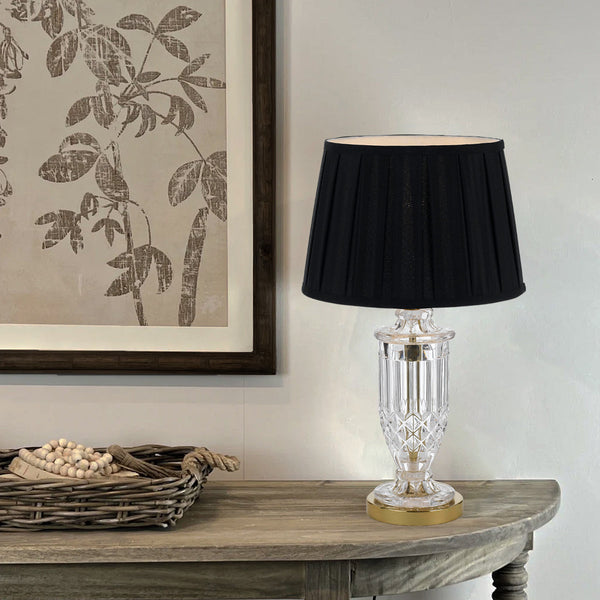
- Console and hall lamps. Here the lamp is as much decoration as light. A taller, more sculptural piece anchors an entry table or hallway console and creates a welcoming pool of light as you come and go.
- Desk and task lamps. For a study, home office or craft nook, prioritise directional, focused light and an adjustable or slim profile that won't crowd your workspace.
- Accent and lounge lamps. On a side table beside the sofa, or on a sideboard, these layer warmth into a living space and take the harsh edge off overhead lighting in the evening.
Sizing and proportion: the part most people get wrong
Getting the scale right is the difference between a lamp that looks made for the spot and one that looks like an afterthought. A few reliable rules of thumb:
- Bedside lamps: aim for the top of the shade to sit roughly at eye level when you're propped up in bed. This keeps the bare globe out of your eyeline and puts the light where you read. As a guide, the lamp height should suit the height of your bedside table and the mattress above it.
- Console and side tables: the lamp should feel balanced against the table and anything around it. A common approach is for the combined height of table plus lamp to sit comfortably within your natural sightline, neither swamping the surface nor disappearing behind it.
- Shade width: the shade should be narrower than the table or nightstand it sits on, so nothing overhangs the edge. As a rough visual cue, a shade that's around two-thirds the width of the base tends to look well proportioned.
- Bench and surface clearance: leave room around the base for the things a bedside or console table actually carries, such as a book, a glass of water or a phone.
When in doubt, measure your table and the space above it before you buy. A quick sketch with those numbers saves a lot of second-guessing.
Shades and the quality of light
The shade shapes the entire mood of the light, so it's worth understanding the basics.
- Fabric and linen shades diffuse light softly and evenly, which is why they're a classic choice for bedsides and lounges. Lighter, translucent shades let more glow through the sides; denser shades push light up and down for a more focused effect.
- Opaque and metal shades direct light in a tighter cone, ideal for task lighting or for a crisp, contemporary look.
- Glass shades add a jewel-like quality and a gentle overall glow, suiting more decorative and statement pieces.
Also consider the interior of the shade. A pale or gold-toned lining produces a warmer, flattering wash of light, which is exactly what you want beside a bed or on a lounge-room side table.
Switching: touch, switch, dimmable and smart
How you turn the lamp on and off matters more than you'd think, especially at the bedside.
- Traditional switches live on the cord, the base or the socket. Simple, reliable and familiar. An inline or base switch is easiest to find in the dark.
- Touch lamps let you tap the base to turn on and off, and many step through several brightness levels with successive taps. They're a firm favourite for bedside use because there's no fiddly switch to fumble for, and they're gentle on the eyes when you only want a low glow.
- Dimmable lamps give you full control over the mood, from bright enough to read to barely-there for drifting off. Remember that a dimmable lamp needs a compatible dimmable globe to work properly.
- Smart and app or voice-controlled options let you adjust brightness, and sometimes colour temperature, from your phone or a smart speaker, and schedule the lamp to ease you awake or wind you down.
Choosing the globe and colour temperature
Even the loveliest lamp is only as good as the globe inside it. Two things to check:
- Fitting and cap. Note the fitting your lamp takes so you buy the correct globe, and check the maximum wattage or LED equivalent recommended for that lamp before choosing a brighter one.
- Colour temperature, measured in Kelvin (K), sets the warmth of the light. Warm white (around 2700K) is soft, cosy and the go-to for bedrooms and living areas. Neutral white (around 3000K to 4000K) feels cleaner and works well for desks and task lighting. For a bedside lamp, warmer is almost always the right call.
LED globes are the sensible default: they run cool, last for years and sip power. If you love the mood of a bright reading light, look for a warm-toned LED with the option to dim.
Materials and styles
This is the fun part, where the lamp becomes part of your décor. The base material sets the tone:
- Marble feels weighty and refined, and brings natural veining that makes each piece a little different. A great choice for a considered, high-end look.
- Glass reads light and airy, whether clear, smoked or coloured, and suits both modern and classic rooms.
- Ceramic is endlessly versatile, from glossy glazed colour to matte earthy tones, and pairs beautifully with a linen shade.
- Timber adds warmth and a natural, relaxed feel that softens a contemporary space.
- Brass and metal deliver a polished, tailored finish, from warm aged brass to sleek matte black, and tie in nicely with other metal fixtures in the room.
Match the finish to what you already have. A brushed brass lamp echoes brass tapware or handles; a timber base ties into natural furniture; a marble or glass piece lifts a minimal, pared-back scheme.
Buying bedside lamps as a pair
For a balanced bedroom, a matching pair either side of the bed is the timeless approach. It frames the bed symmetrically and gives both sleepers their own light. If your bedside tables differ in size, or you simply prefer a more relaxed look, you can mismatch deliberately, but keep one thing consistent, whether that's the finish, the shade colour or the overall height, so the pair still feels intentional. Twin touch lamps are a popular bedside pairing because each person can adjust their own side without disturbing the other.
Quick buying checklist
- What's the lamp's main job: bedside, console, desk or accent?
- Have you measured the table and the space above it?
- Is the shade narrower than the surface, with the top near eye level for a bedside?
- Do you want touch, a standard switch, dimmable or smart control?
- Have you chosen a warm colour temperature and the correct globe fitting?
- Does the base material and finish suit the rest of the room?
- For a bedroom, do you need a matching pair?
Frequently asked questions
How tall should a bedside lamp be?
As a guide, the top of the shade should sit around eye level when you're sitting up in bed, so the light falls where you read and the globe stays out of view. Match the lamp height to your bedside table and mattress height rather than a fixed number.
What is a touch lamp and is it good for a bedside table?
A touch lamp turns on and off when you tap the base, and many cycle through brightness levels with each tap. That makes them ideal for bedside use, since there's no switch to hunt for in the dark and you can settle on a soft, low glow.
What colour temperature is best for bedside and table lamps?
Warm white, around 2700K, is the most popular for bedrooms and living areas because it's soft and cosy. Choose a slightly cooler neutral white for desks and task lighting where you want crisper light.
Should bedside lamps always match?
A matching pair gives a classic, balanced look, but it isn't a rule. If you prefer to mix, keep one element consistent, such as the finish or the height, so the two still feel like they belong together.
Can I use a dimmable globe in any lamp?
Only lamps designed for dimming will dim smoothly, and they need a compatible dimmable globe. Check that both the lamp and the globe are dimmable, and confirm the correct fitting and recommended wattage before you buy.
Ready to find your lamp?
Lights For You carries table and bedside lamps from trusted brands including Telbix, Oriel, Mercator and Domus, spanning everything from soft touch lamps to sculptural marble, glass, ceramic, timber and brass pieces. Shop table lamps online with fast delivery Australia-wide, or browse our bedside table lamps to find the perfect pair. Prefer to see the light in person? Visit our Ashfield showroom in Sydney, where our team can help you match the right lamp, shade and globe to your space.
Shop Table Lamps at Lights For You
Browse our full Table Lamps range, or start with a few popular picks: