
















Good bathroom vanity lighting is the difference between a confident morning shave or a flawless makeup application and squinting at an unevenly lit reflection. The vanity is the one spot in your home where you look at your own face up close every single day, so getting the light right matters more here than almost anywhere else. This guide walks you through why dedicated vanity lighting beats ceiling downlights alone, where to position it, and how to choose the right brightness, colour temperature and IP rating for a safe, shadow-free result.
Why vanity and mirror lighting matters
Most bathrooms are lit by a single ceiling downlight or oyster fixture. That overhead light casts your face into shadow: dark hollows under the eyes, nose and chin, and no light where you actually need it. For grooming tasks like shaving, tweezing, skincare and makeup, you need light that hits your face straight on, not from above.
Dedicated bathroom vanity lighting solves this by placing light at or around face height, close to the mirror. When light comes from the front and sides rather than only from above, it fills in shadows evenly and gives you a true, accurate view of your skin. That is why professional makeup mirrors and salon stations are ringed with light rather than lit from the ceiling.
Where to position vanity lighting
There are two proven approaches, and the best bathrooms often combine elements of both.
Either side of the mirror
Mounting a wall light or vertical fitting on each side of the mirror is the gold standard for shadow-free grooming. Light comes from both sides at face height, so it wraps around your features and eliminates the harsh shadows an overhead-only setup creates. Aim to position side lights at roughly eye level, around 1.6 to 1.7 metres from the floor, and space them wide enough to flank your face rather than sitting behind your head.
Above the mirror
A horizontal vanity light or bar mounted above the mirror is the most common and space-efficient option, ideal where you do not have wall room on both sides. Choose a fitting close to the width of the mirror or vanity so the light spreads evenly across your face rather than pooling in the centre. Mount it just above the mirror, and angle or diffuse the light so it washes downward onto your face.
Avoiding the downlight-only mistake
The single biggest error is relying on ceiling downlights alone. Downlights are great for general room illumination and can stay as part of your scheme, but they should never be your only source at the mirror. Always add a front or side light source at face height. Think of the ceiling light as background lighting and the vanity light as your task lighting.
IP zones and ratings for bathrooms
Bathrooms are wet areas, and Australian wiring rules divide them into zones based on how close a fitting is to water. Every fixture must carry an IP (Ingress Protection) rating suited to its zone.
- Zone 0 is inside the bath or shower itself and demands the highest protection.
- Zone 1 is directly above the bath or within the shower, where fittings need to withstand direct water.
- Zone 2 extends a short distance around the bath, shower and basin, and is where many vanity lights sit.
- Beyond these zones, splash resistance is still sensible given the humid environment.
As a rule of thumb, a fitting near the basin should be rated to resist splashes, and anything closer to the shower or bath needs a higher IP rating. Because zone requirements and installation of mains-wired fittings are governed by regulations, always have a licensed electrician install your bathroom lighting and confirm the fitting suits its location. If you are unsure which rating you need, our team can point you to the right option.
Brightness and colour temperature
Brightness is measured in lumens. For a vanity, you want enough light to see clearly without glare. A pair of side lights or a wide vanity bar generally provides more even coverage than a single small fitting trying to do all the work. Layering the vanity light with your ceiling or oyster light lets you build up overall brightness while keeping the face well lit.
Colour temperature, measured in Kelvin (K), is just as important. For a bathroom vanity, a neutral white in the region of 4000K is a popular all-rounder: it renders skin tones naturally and reads as clean and fresh without the yellow cast of very warm light or the clinical blue of very cool light. If your makeup is worn in daylight, a neutral-to-cool white gives the most accurate preview of how it will look outside. Look for LED fittings with a high colour rendering index (CRI), as higher CRI shows skin, hair and makeup colours more truthfully.
Warm white around 2700K to 3000K feels cosier and suits a relaxing ensuite, but it can make it harder to judge makeup accurately. Some LED vanity lights offer selectable or tunable colour temperature so you can switch between warm and cool to suit the task.
Mirror lights vs vanity bars vs wall sconces
There are three broad families of fitting, and each has its place.
- Mirror lights and LED mirrors: Backlit or front-lit illuminated mirrors integrate the light source into the mirror itself, giving an even, contemporary glow around your reflection. These mirror lights are a tidy, minimalist choice and free up your walls.
- Vanity bars: A horizontal bar above the mirror, often with multiple lamps or a continuous LED strip. Vanity bars are versatile, easy to fit and spread light across the width of the vanity.
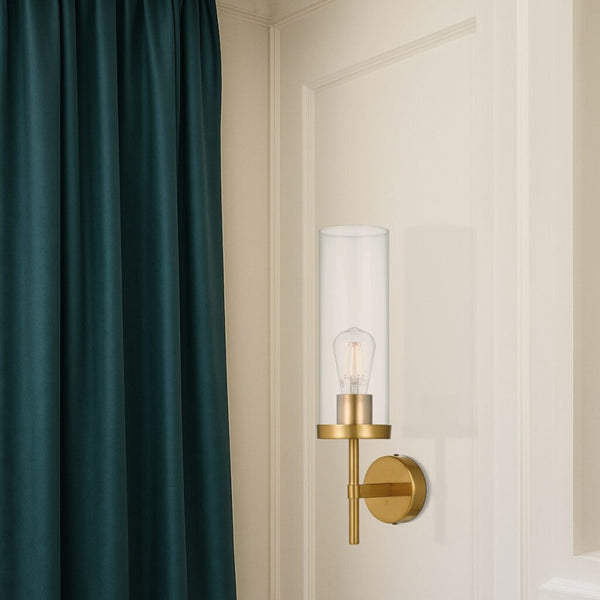
- Wall sconces: Individual wall lights mounted either side of the mirror. Sconces deliver that flattering side lighting and let you make a decorative statement with the finish and shape.
You can explore all of these when you shop vanity lights in our range.
Dimming, finishes and combining fixtures
Dimmable vanity lighting is worth considering so you can dial brightness up for detailed grooming and down for a gentle evening ambience. If dimming matters to you, check that both the fitting and driver are dimmable and use a compatible dimmer, ideally confirmed by your electrician.
Finishes let you tie the lighting into your bathroom's palette. Chrome and brushed nickel suit crisp, modern spaces; matte black brings contemporary contrast; and brass or gold tones add warmth to classic and boutique schemes. Coordinate the light finish with your tapware and mirror frame for a considered look.
Finally, treat your vanity light as one layer in a complete scheme. Combine it with a ceiling or oyster light for overall room brightness, and the two together give you flexible, functional and flattering light. For a broader look at the whole room, our vanity lights collection is a good starting point.
Vanity lighting checklist
- Add light at or near face height, not just ceiling downlights.
- Prefer side lighting, or a wide fitting above the mirror, for shadow-free coverage.
- Match the IP rating to the bathroom zone and use a licensed electrician.
- Choose a neutral white around 4000K with high CRI for accurate skin and makeup.
- Size the fitting to the mirror or vanity width for even light.
- Consider dimmable fittings for flexibility.
- Coordinate the finish with your tapware and mirror.
- Layer the vanity light with a ceiling or oyster light.
Frequently asked questions
What is the best height for vanity lights?
For side-mounted wall lights, aim for around eye level, roughly 1.6 to 1.7 metres from the floor, so light hits your face directly. A vanity bar above the mirror should sit just above the mirror's top edge. Adjust for the height of the people using the bathroom most.
What colour temperature is best for a bathroom vanity?
A neutral white around 4000K is the popular all-rounder because it renders skin tones naturally and helps with accurate makeup application. Warmer 2700K to 3000K light feels cosier but is less accurate for detailed grooming. Tunable LED fittings let you switch between the two.
Are lights above or beside the mirror better?
Lights on either side of the mirror give the most even, shadow-free result because they light your face from both sides. A light above the mirror is a great, space-saving alternative, especially if you choose a wide fitting and diffuse the light downward. Many people combine both.
Do bathroom vanity lights need a special rating?
Yes. Because bathrooms are wet areas, fittings must carry an IP rating suited to their zone, with higher protection closer to the bath, shower and basin. Always have a licensed electrician confirm the fitting is appropriate for its location and install it to Australian standards.
Can I use only downlights at my vanity?
It is not recommended. Ceiling downlights cast shadows down onto your face, hiding the areas you need to see for grooming. Keep them for general room light and add a dedicated vanity or mirror light at face height for the best results.
Ready to light your vanity beautifully?
At Lights For You we stock trusted lighting brands including SAL, Domus, Telbix, Eglo and Mercator, with styles to suit every bathroom. Enjoy fast Australia-wide delivery, or drop into our Ashfield showroom in Sydney to see fittings in person and get expert advice from our team. Browse the range online to find the perfect bathroom lights for your space.
Shop Vanity Lights at Lights For You
Browse our full Vanity Lights range, or start with a few popular picks: