


















Why Pathway and Garden Lighting Matters
Good outdoor lighting does far more than look pretty after dark. A well-lit path guides guests safely from the kerb to your front door, highlights steps and level changes so no one takes a tumble, and quietly deters unwelcome visitors. Beyond safety, pathway lighting sets the mood for your garden, washing plants, walls and water features in a soft glow that makes an evening outdoors feel special. And when it comes to selling or simply loving where you live, thoughtful lighting is one of the most cost-effective ways to lift your home's kerb appeal.
In short, the right outdoor path lighting works on three levels at once: it keeps people safe, it creates ambience, and it shows your home and garden at their best. This guide walks you through the lighting types, layout ideas and technical details you need to get it right the first time.
Types of Path and Garden Lights
There is no single "best" fixture. Most gardens look their best when you layer a few different styles, each doing a specific job. Here are the main types to know.
- Spike lights push straight into garden beds and are ideal for uplighting shrubs, trees and feature plants. Because they simply plug into the soil, you can reposition them as the garden grows.
- Bollard lights stand around knee to waist height and cast a wide, even pool of light along paths and driveways. They are a classic choice for defining an edge and adding a touch of architecture.
- Inground (recessed) lights sit flush with paving or decking so you see the light, not the fitting. They are perfect for grazing a wall, marking a path edge, or creating a clean, minimalist look.
- Deck and step lights are small, low-glare fittings recessed into risers, posts or retaining walls to make stairs and level changes clearly visible underfoot.
- Post lights raise a lantern or diffuser up higher to light a broader area, and suit entrances, gateposts and larger garden zones.
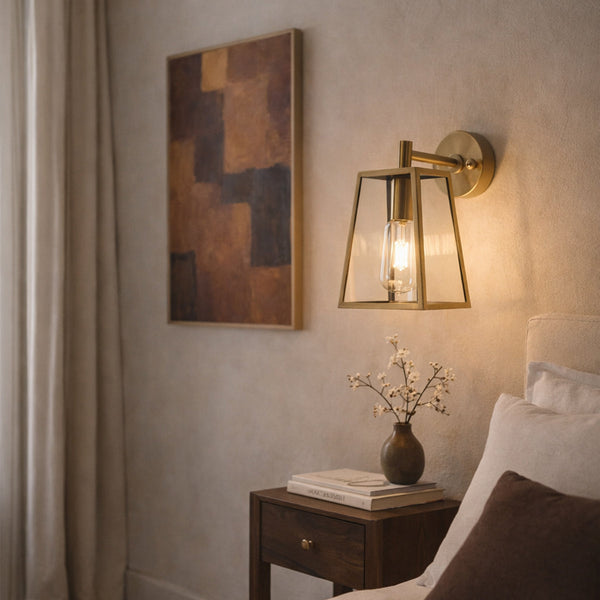
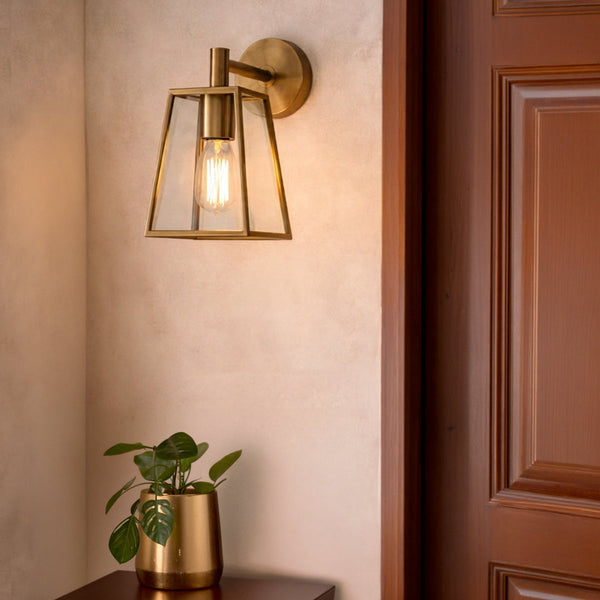
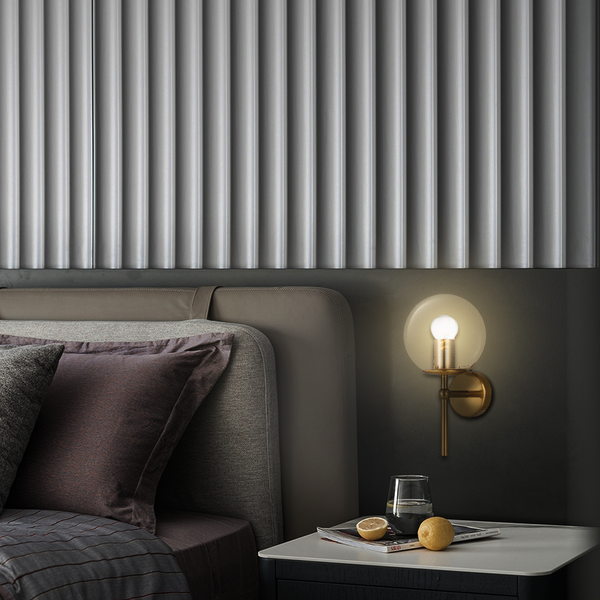
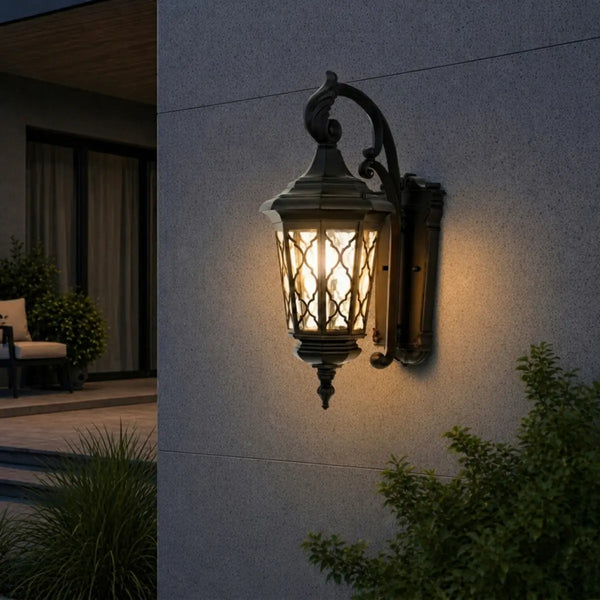
- Wall lights mount on fences, pillars and house walls to throw light down (or up and down) across paths, doorways and outdoor living areas.
Brands like Havit, Domus and SAL produce quality versions of each of these, so you can mix styles while keeping a consistent finish and colour temperature across the garden.
Design Ideas and Spacing
The biggest mistake with garden lighting is treating it like a runway, with a rigid line of identical bright fittings. The goal instead is gentle, even pools of light with soft, dark spaces in between. That contrast is what makes a garden feel calm and inviting rather than clinical.
Spacing your path lights
As a general rule, space path lights so their pools of light just touch or overlap slightly, rather than leaving black gaps or over-lighting the whole run. Stagger fittings on alternating sides of a path for a more natural feel, and always mark the top and bottom of any steps. Lower-output, lower-mounted fittings usually look more sophisticated than a few very bright ones.
Layering for effect
Combine downlight along the path itself with uplighting on a feature tree or wall behind it. Silhouetting a sculptural plant against a lit fence, or grazing light across a textured stone wall, adds depth. Think about the view from inside the house too, so the garden still looks beautiful through the windows at night.
12V vs 240V: Which System?
Outdoor lighting generally runs on either a low-voltage 12V system or standard 240V mains.
- 12V low-voltage systems run from a transformer and are popular for garden lighting. The low voltage is safer to work around soil and water, and in many cases you can install and extend the garden-side wiring yourself. They are ideal for spike lights, small path lights and flexible layouts you may want to change over time.
- 240V mains fittings connect directly to your household supply and are often chosen for bollards, wall lights and permanent architectural installations. Mains wiring must be installed by a licensed electrician.
Whichever you choose, always follow local regulations. In Australia, any fixed 240V wiring is work for a licensed electrician, so plan your circuits before you start digging.
Understanding IP Ratings
Every outdoor fitting carries an IP (Ingress Protection) rating, shown as two digits. The first digit rates protection against solids like dust, and the second rates protection against water. For garden lighting exposed to rain and sprinklers, look for a minimum of IP65. Fittings that may be splashed heavily, sit near water features, or become partially submerged (like some inground lights) should carry a higher water rating. Matching the IP rating to the fitting's real-world exposure is the single most important step for a system that lasts.
LED Colour Temperature and Glare
Modern LED pathway lights are efficient, long-lasting and run cool, which makes them the standard choice for gardens. Two things matter most when choosing them.
Colour temperature, measured in Kelvin (K), sets the mood. Warm white (around 2700K to 3000K) gives a soft, welcoming glow that flatters plants, timber and stone, and is the most popular choice for residential gardens. Cooler white can suit contemporary or security-focused settings but can feel harsh among greenery. Keep the colour temperature consistent across the garden for a cohesive look.
Glare control is just as important as brightness. A fitting you can stare into is a fitting doing its job badly. Look for shielded, recessed or diffused designs that direct light onto the path and plants rather than into your eyes, so your garden feels comfortable rather than dazzling.
316 Stainless Steel for Coastal Homes
If you live near the coast, salt-laden air is brutal on outdoor fittings. Standard materials can corrode and stain surprisingly quickly. For homes near the sea, choose fittings made from marine-grade 316 stainless steel, which offers far greater resistance to salt corrosion than lesser grades. It is a worthwhile investment that keeps your lighting looking sharp for years in coastal Sydney conditions.
Sensors and Timers
Automation makes outdoor lighting effortless and efficient. Photocell (dusk-to-dawn) sensors switch lights on at nightfall and off at dawn, so you never think about it. Timers let you run garden lighting for a set window each evening. Motion sensors are ideal for entrances, driveways and side passages, delivering security lighting only when it is needed and saving energy the rest of the time. Many homeowners combine a warm, always-on ambient layer for the main garden with motion-activated fittings at access points.
Pathway Lighting Checklist
- Map your paths, steps, entrances and feature plants before choosing fittings.
- Decide on 12V or 240V, and book a licensed electrician for any mains work.
- Choose an IP rating that matches each fitting's real exposure to water.
- Pick a consistent warm white colour temperature for a cohesive look.
- Prioritise low-glare, shielded fittings over raw brightness.
- Specify 316 stainless steel if you are near the coast.
- Layer downlight, uplight and step light rather than lining up one type.
- Add sensors or timers so the system runs itself.
- Leave soft, dark gaps between pools of light for a natural feel.
Frequently Asked Questions
How far apart should I space path lights?
Space them so their pools of light just meet or slightly overlap, rather than leaving dark gaps or flooding the whole path. Staggering fittings on alternating sides and always marking steps gives a natural, safe result. Lower, softer fittings placed a little closer together usually look better than a few very bright ones.
What IP rating do I need for garden lighting?
For most garden and path fittings exposed to rain and sprinklers, aim for at least IP65. Fittings near water features or recessed into paving where water can pool should carry a higher water rating. Always match the rating to how much water the fitting will realistically face.
Can I install 12V garden lighting myself?
The garden-side wiring on many 12V low-voltage systems is designed to be homeowner-friendly, since the low voltage is safer to work with. However, the transformer's connection to your 240V mains, and any fixed mains wiring, must be carried out by a licensed electrician in Australia.
What colour temperature is best for a garden?
Warm white, around 2700K to 3000K, is the most popular choice. It gives a soft, welcoming glow that flatters plants, timber and stone. Keeping the colour temperature consistent across all your fittings creates the most cohesive result.
Which fittings suit coastal homes?
Choose marine-grade 316 stainless steel fittings near the coast. They resist salt corrosion far better than lesser materials and will keep looking good for years in exposed seaside conditions.
Ready to Light Up Your Garden?
Whether you are lining a front path, uplighting a favourite tree or planning a full garden scheme, the right fittings make all the difference. Explore our full range and shop pathway lighting from trusted brands like Havit, Domus and SAL, or browse our bollard lights for defining paths and driveways. Enjoy fast Australia-wide delivery, or visit our Ashfield showroom in Sydney to see the fittings in person and get expert advice from our team.
Shop Pathway Lighting at Lights For You
Browse our full Pathway Lighting range, or start with a few popular picks: