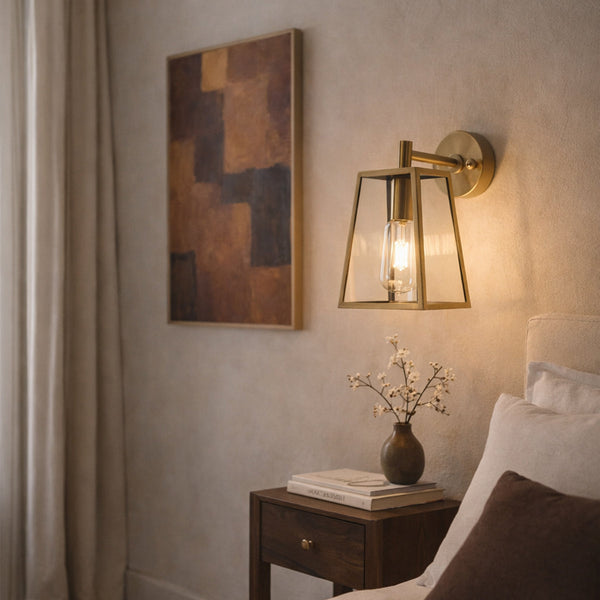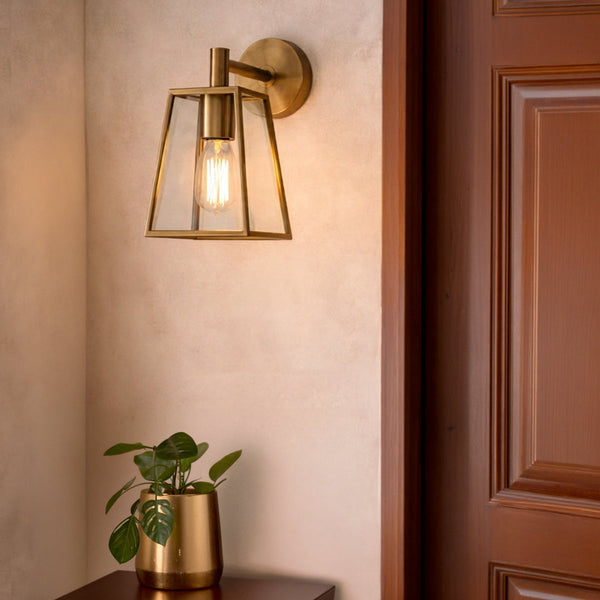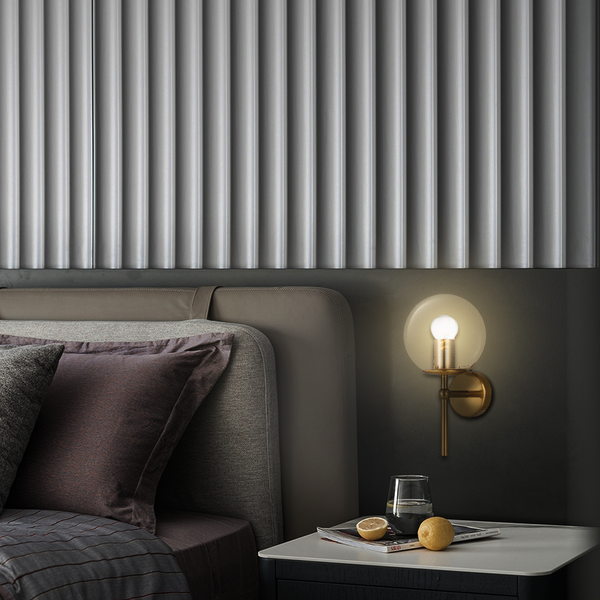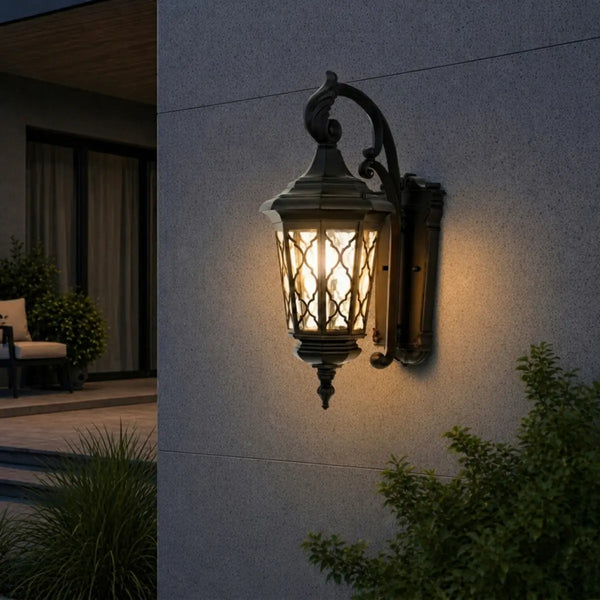

















Well-placed step and stair lights do two jobs at once: they make your outdoor stairs, decks and entryways safer to use after dark, and they add a quietly professional layer of atmosphere to your home. Whether you are lighting a coastal deck in Sydney, a set of garden steps or an internal staircase, this guide walks you through the lighting types, placement, IP ratings and voltage choices that matter, so you can buy with confidence.
Indoor vs outdoor step and stair lighting
The core difference between indoor and outdoor step lights comes down to weather protection. Indoor stair lights only need to look good and throw a soft, glare-free wash across each tread, so almost any fitting rated for dry interior use will do. Outdoor step lights, on the other hand, are exposed to rain, sprinklers, garden hoses, humidity and salt-laden air, so they must be sealed and rated for the conditions they will face.
If you are lighting an internal staircase, prioritise a warm, comfortable colour temperature and low-glare optics. For anything outside, weatherproofing and material choice become just as important as the look. The good news is that many modern LED step lights are designed for both, so you can keep a consistent style from your interior stairs out to the garden path.
Types of step and stair lights
There are four common formats, and choosing the right one usually depends on whether you can recess into the structure or need to surface-mount.
- Recessed step lights sit flush inside the riser or a side wall for a clean, minimal look. They are the go-to choice when you want the light source hidden and only the glow visible.
- Surface-mounted step lights fix directly onto the face of a wall or riser. They are ideal for retrofits and solid masonry where cutting a cavity is impractical.
- Eyelid (louvred) step lights have a shaped hood or internal louvre that directs light downward and shields the LED from view. This cuts glare dramatically and is excellent along stairs where people look toward the fittings as they descend.
- Brick and wall-recessed lights are sized to replace or sit within standard masonry courses, casting light across the step below. They suit rendered walls, retaining walls and pillars beside steps.
Brands like Havit, Domus and SAL all produce weather-rated versions of these formats, so you can match a look across an entire project.
Where to place step and stair lights
Placement is what separates lighting that simply looks nice from lighting that genuinely makes stairs safer. There are three proven positions:
- In the riser (the vertical face of each step) so light spills down onto the tread below. This clearly defines each edge without shining into anyone's eyes.
- In the side walls beside the stairs, spaced so pools of light overlap across the treads. This is the classic look for garden steps flanked by retaining or boundary walls.
- Under the nosing (the front lip of the tread) using a slim strip or recessed fitting, which creates a floating-step effect and highlights the edge you are most likely to trip on.
Whichever position you choose, the aim is to light the horizontal surface people walk on while keeping the actual LED out of direct sightlines. You want to see the steps, not the lights.
IP ratings for outdoor and wet areas
IP (Ingress Protection) ratings tell you how well a fitting resists dust and water, and getting this right is essential outdoors. The second digit is the one to watch for moisture. As a general guide, look for a minimum of IP44 for covered or sheltered outdoor steps, IP65 for fully exposed positions that cop rain and hose spray, and higher ratings again for anything near pools or spa surrounds. When in doubt outdoors, choosing a higher IP rating is cheap insurance against premature failure. Always confirm the specific rating printed on the product before you buy, and follow the manufacturer's installation instructions.
12V vs 240V: which voltage suits your project
Outdoor step lights commonly come in two flavours. Low-voltage 12V systems run from a transformer and are popular for gardens, decks and DIY-friendly landscape projects because the extra-low voltage cabling is safer to work around. 240V mains fittings connect straight to your household supply and avoid the need for a separate transformer, which can be convenient for hardwired installations.
Both are excellent when installed correctly. The important rule in Australia is that fixed mains wiring, and any connection to your switchboard, must be carried out by a licensed electrician. Even with 12V systems, having a professional confirm your transformer sizing and cable runs will save headaches later.
Colour temperature and glare control
Colour temperature, measured in Kelvin (K), sets the mood. Warm white (around 2700K to 3000K) is the most popular choice for residential steps and stairs because it feels inviting and complements brick, timber and stone. Cooler temperatures read as crisper and more contemporary but can feel clinical around the home.
Glare control matters just as much as colour. A bright, exposed LED at ankle height is uncomfortable and can actually make steps harder to see. Eyelid hoods, recessed placement, frosted diffusers and louvres all help by shielding the source and spreading a soft wash instead of a hotspot. As a rule, aim to illuminate the step, not blind the person using it.
316 stainless steel for coastal homes
If you live near the coast, and much of Sydney qualifies, salt in the air is the enemy of outdoor fittings. Standard finishes can corrode and stain surprisingly quickly in a marine environment. Marine-grade 316 stainless steel offers superior corrosion resistance and is the sensible specification for beachside decks, balconies and steps. It costs a little more than lesser grades, but it dramatically extends the life of fittings that are constantly exposed to salt spray. Even with 316 stainless, a periodic rinse with fresh water helps keep fittings looking their best.
Spacing and quantity guidance
There is no single magic number, but a few principles help you plan. For side-wall lighting along a run of steps, space fittings so the pools of light overlap and no tread is left in shadow, typically every one to two steps depending on the beam spread of the fitting you choose. For riser or nosing lighting, you may choose to light every step for a crisp, uniform ladder effect, or alternate steps for a softer, more economical result.
The safest approach is to prioritise the top and bottom of every staircase, where people change level and are most likely to misjudge a step, and then fill in between. Always check the beam angle and output described for the specific product, as these vary between fittings and directly affect how far apart you can space them.
Sensor and control options
You do not have to leave step lights running all night. Popular control options include PIR motion sensors that switch lights on only when someone approaches, daylight (photocell) sensors that turn the fittings on at dusk and off at dawn, and timers or smart controls integrated with the rest of your outdoor lighting. Motion activation is especially useful on entry steps and side paths, giving you light exactly when you need it while saving energy the rest of the time.
Quick buying checklist
- Indoor or outdoor? Confirm the fitting is rated for the location.
- Choose the format: recessed, surface-mounted, eyelid or brick/wall-recessed.
- Check the IP rating suits the exposure (sheltered, fully exposed or near water).
- Decide on voltage: 12V low-voltage or 240V mains, and plan for a licensed electrician.
- Pick a warm colour temperature and prioritise glare control.
- Choose 316 stainless steel if you are near the coast.
- Plan spacing so every tread, especially the top and bottom, is clearly lit.
- Consider motion or daylight sensors for convenience and efficiency.
Frequently asked questions
What IP rating do I need for outdoor step lights?
For sheltered or covered outdoor steps, IP44 is often adequate, while fully exposed positions that receive direct rain and hose spray are better served by IP65 or higher. Areas around pools and spas call for higher-rated fittings again. Always confirm the rating printed on the specific product and follow the manufacturer's guidance.
Are LED step lights suitable for both indoor and outdoor stairs?
Yes. Many LED step lights are designed and rated for both, which lets you carry a consistent style from an internal staircase out to the deck or garden. The key is to check that any fitting used outdoors carries a suitable IP rating and, near the coast, a corrosion-resistant material such as 316 stainless steel.
Should I use 12V or 240V step lights?
Both work well. Low-voltage 12V systems run from a transformer and are popular for gardens and DIY-friendly landscape projects, while 240V mains fittings wire straight to your supply without a separate transformer. In Australia, any fixed mains wiring must be completed by a licensed electrician.
How do I stop step lights from being too glary?
Choose fittings with eyelid hoods, internal louvres or frosted diffusers, recess them where possible, and position them so the LED itself is out of direct sightlines. Warm white colour temperatures also feel gentler than cool white. The goal is to light the step surface rather than the eyes of the person using it.
Which brands of step lights do you stock?
We stock quality Australian-favoured brands including Havit, Domus and SAL, covering recessed, surface-mounted, eyelid and wall-recessed formats in a range of finishes and IP ratings. Our team can help you match fittings across an entire project.
Ready to light your steps and stairs?
Explore our full range and shop step lights online, or browse complementary deck lights to complete the look. We offer fast delivery Australia-wide, and if you would like hands-on advice you are welcome to visit our showroom in Ashfield, Sydney, where our team can help you choose the right fittings, finishes and IP ratings for your project.
Shop Step Lights at Lights For You
Browse our full Step Lights range, or start with a few popular picks: