


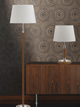


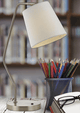


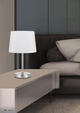









A well-chosen floor lamp does more than light a room. It anchors a corner, softens a hard edge, and adds a layer of warmth that ceiling downlights simply can't manage on their own. Whether you're chasing a cosy reading nook, a brighter home office, or a bit of sculptural drama in the living room, the right standing lamp pulls the whole space together. Here's our room-by-room guide to choosing and styling floor lamps, drawn from years of helping customers on the showroom floor here in Ashfield.
Knowing your floor lamp types
Before you think about rooms, it helps to know the main styles you'll come across. Each one solves a slightly different problem.
- Arc floor lamps sweep outward on a curved arm, letting you position light over a sofa, dining table or armchair without a table underneath. They're brilliant for casting light where a fixed base can't reach, and they double as a striking design statement.
- Tripod floor lamps stand on three splayed legs, giving a balanced, mid-century look that suits a huge range of interiors. They're stable, sculptural, and endlessly versatile.
- Reading and task floor lamps feature an adjustable head or gooseneck so you can aim light exactly where you need it. These are the workhorses for beside a chair, a bed, or a desk.
- Mother-and-child (or uplighter) lamps combine a tall upward-facing light with a smaller adjustable reading arm. You get ambient wash and focused task light from a single footprint, which is ideal for compact living areas.
- Tray floor lamps build a small shelf or side table into the stem, giving you somewhere to rest a book, a cuppa or the remote. Perfect where floor space is tight and every surface counts.
Choosing a floor lamp by room
The best lamp for a space depends on how you actually use it. Here's how we think about each room.
Living room
The living room is where floor lamps really earn their keep. An arc lamp arching over the sofa creates a relaxed lounge feel, while a tripod in the corner fills the shadowy gaps left by overhead lighting. Aim for a warm, layered effect: pair a floor lamp with a couple of table lamps rather than relying on a single bright source. Position your lamp beside seating or in a corner where it can bounce light off the walls and lift the whole room.
Bedroom
In the bedroom, a slim standing lamp beside the bed or in a reading corner adds a soft glow that's far gentler than a central fitting. An uplighter works beautifully here, washing the ceiling with diffused light for a calm, restful mood. If you like to read before sleep, choose a lamp with an adjustable head so you can direct the beam without disturbing your partner.
Reading nook
A dedicated reading floor lamp is the heart of any good nook. Look for an adjustable or gooseneck head that positions light over your shoulder and onto the page, reducing glare and eye strain. Set it slightly behind and to the side of your chair so the light falls on your book rather than into your eyes. A tray lamp is a lovely touch here, keeping your current read within arm's reach.
Home office
For a workspace, task lighting is everything. A focused reading or task floor lamp beside the desk supplements screen light and keeps the room bright enough to work comfortably through the afternoon and into the evening. Choose something with a directional head so you can angle light onto paperwork without casting shadows across your keyboard.
Height and placement
Getting the height right makes all the difference. As a general rule, the bottom of the shade on a reading lamp should sit around eye level when you're seated, so the globe stays hidden and the light falls where you need it. Ambient and uplighter lamps can stand taller, since their job is to wash light upward and across the room rather than onto a task.
For placement, tuck floor lamps into corners to brighten dead space, or position them beside furniture to create defined pools of light. Keep them clear of walkways so nobody trips on the base or cord, and make sure the lamp sits within reach of a power point without a taut or stretched cable. In open-plan spaces, use a couple of lamps to zone different areas, one over the reading chair, another by the sofa.
Shades and globes
The shade shapes the light as much as the lamp does. A drum or empire shade in fabric diffuses light softly for a warm ambient glow, while a metal or cone shade concentrates the beam downward for focused task light. Lighter, translucent shades let more light escape sideways, brightening the surrounding space; darker or opaque shades push the light up and down for a more dramatic effect.
When it comes to globes, LED is the sensible choice for efficiency and longevity. Pay attention to colour temperature: a warm white (around the lower end of the Kelvin scale) suits living rooms and bedrooms, creating that inviting, relaxed feel, while a cooler, brighter white is better for task-focused office lighting. Always check the lamp's recommended maximum wattage and fitting type before buying globes, and if you plan to dim, make sure both the globe and lamp are dimmable-compatible.
Dimming for mood
Dimmable floor lamps give you flexibility that a single brightness setting never will. A lamp you can wind down to a soft glow in the evening and up to full brightness for reading covers far more occasions. Many contemporary floor lamps include inline dimmers, foot switches or touch controls; if yours doesn't, a compatible dimmable LED globe paired with a plug-in dimmer can achieve the same effect. Dimming is the easiest way to shift a room from bright and functional to warm and relaxed in a moment.
Matching your decor style
A floor lamp should feel like it belongs. Here's how to match one to your interior.
- Modern: Clean lines, slim profiles and matte black, brass or chrome finishes suit a contemporary room. An arc lamp or a minimalist tripod adds elegance without clutter.
- Coastal: Think light, breezy and relaxed. Pale timber tones, woven or linen shades, and soft white finishes echo the easy, sun-washed feel of an Australian coastal home.
- Industrial: Exposed metal, aged brass, matte black and adjustable arms nod to a workshop aesthetic. A gooseneck or task lamp in a dark metal finish is right at home against brick and raw timber.
Across all these styles, quality trusted brands like Telbix, Domus, Mercator and Oriel offer floor lamps designed for Australian homes, so you can find a piece that suits your look and stands the test of time.
Quick floor lamp checklist
- Decide the lamp's main job: ambient glow, task light, or a sculptural statement.
- Match the type (arc, tripod, reading, uplighter, tray) to that job.
- Check the height suits your seating, with the shade near eye level for reading.
- Choose a shade that shapes the light the way you want it.
- Pick the right globe: warm white for living and bedrooms, cooler for the office.
- Confirm it's dimmable if you want mood flexibility.
- Make sure the finish and silhouette complement your decor style.
- Plan placement near a power point and clear of walkways.
Frequently asked questions
How tall should a floor lamp be?
It depends on the job. For a reading lamp, the bottom of the shade should sit roughly at eye level when you're seated so the globe stays hidden and light falls on the page. Ambient and uplighter lamps can be taller, as they're designed to cast light upward and across the room.
What's the best floor lamp for reading?
Look for a reading or task lamp with an adjustable or gooseneck head so you can direct light precisely onto your book. Position it slightly behind and to the side of your chair to minimise glare, and choose a warm-to-neutral globe that's comfortable for extended reading.
Where should I place a floor lamp in the living room?
Corners and beside seating work best. A corner lamp fills shadowy gaps left by ceiling lights, while an arc lamp over the sofa creates a cosy, layered feel. Keep the base clear of walkways and within reach of a power point.
Are floor lamps dimmable?
Many are, via inline dimmers, foot switches or touch controls. If your lamp isn't dimmable out of the box, you can often pair a dimmable LED globe with a compatible plug-in dimmer. Always check that both the globe and lamp support dimming before you buy.
What globe should I use in a floor lamp?
An LED globe is the efficient, long-lasting choice. Opt for a warm white in living rooms and bedrooms for a relaxed feel, and a cooler, brighter white in a home office for task focus. Check the lamp's maximum wattage and fitting type first.
Ready to find yours? Shop floor lamps online with fast delivery Australia-wide, or explore our table lamps to build a beautifully layered lighting scheme. Prefer to see the light in person? Visit our Ashfield showroom in Sydney, where our team can help you choose the perfect lamp for every room.
Shop Floor Lamps at Lights For You
Browse our full Floor Lamps range, or start with a few popular picks: